Autonomous Combat Robotics Platform & Motor Controller
High-current dual H-bridge motor driver schematic, ultrasonic sonar ranging, and embedded C firmware. 2nd Place Winner in University Robot Wars tournament.
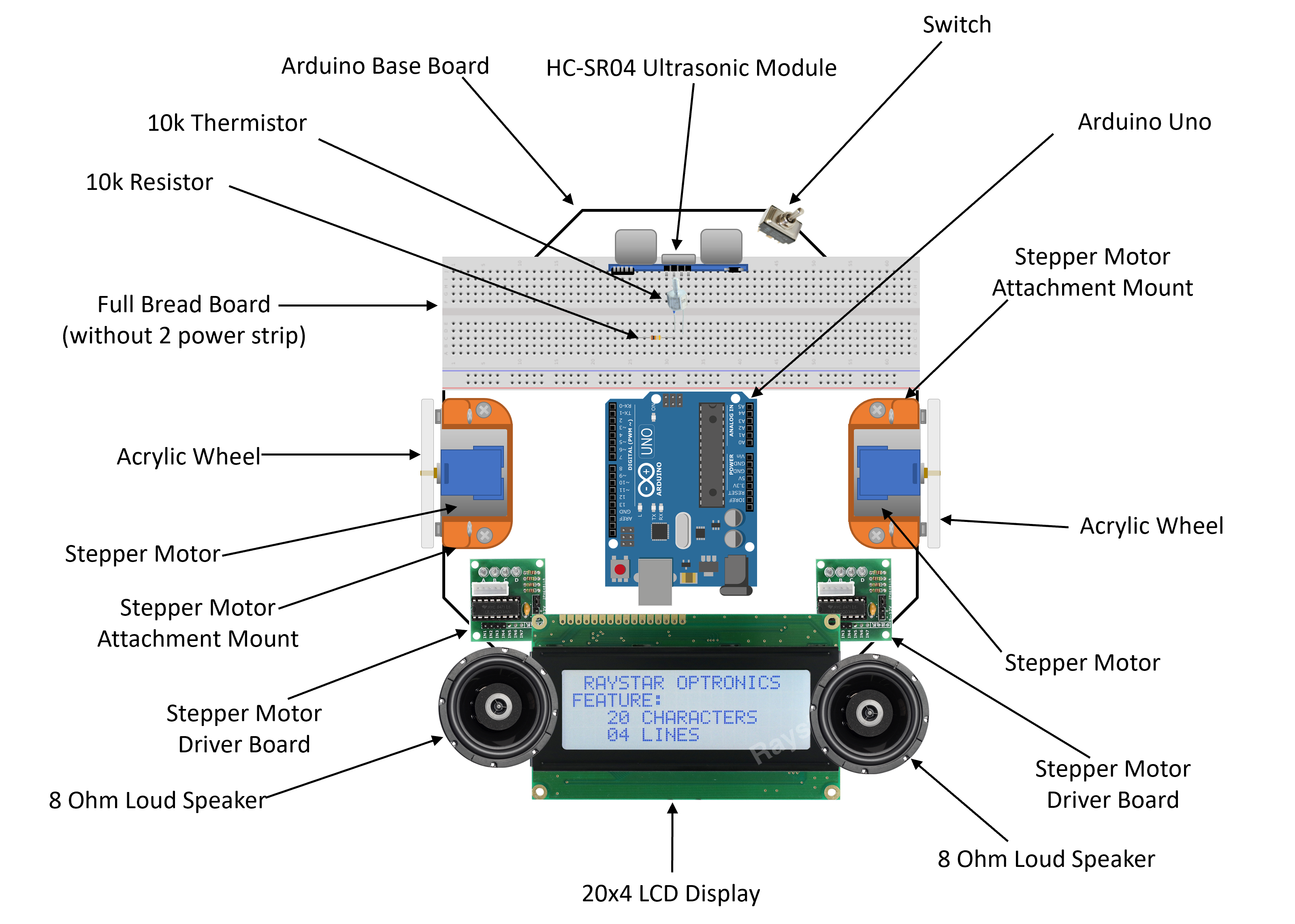
Project Overview
Hardware schematics, custom PCB power distribution, and bare-metal embedded C firmware for an Autonomous Combat Robotics Platform built for the University of Brighton Robot Wars Tournament annual Engineering Design competition.
The platform achieved a 2nd Place Podium Finish in the collegiate combat tournament and earned a First Class 82% (A+) for mechanical reliability, control responsiveness, and electrical system design.
Physical Robot Anatomy & 3D CAD
The chassis was engineered to withstand severe physical impacts in the combat arena while maintaining a low centre of gravity for traction and rapid differential turning.
Mechanical CAD Modelling
Before manufacturing and 3D printing custom brackets, the entire assembly was modelled in CAD to balance mass distribution, gear ratios, and battery placement:
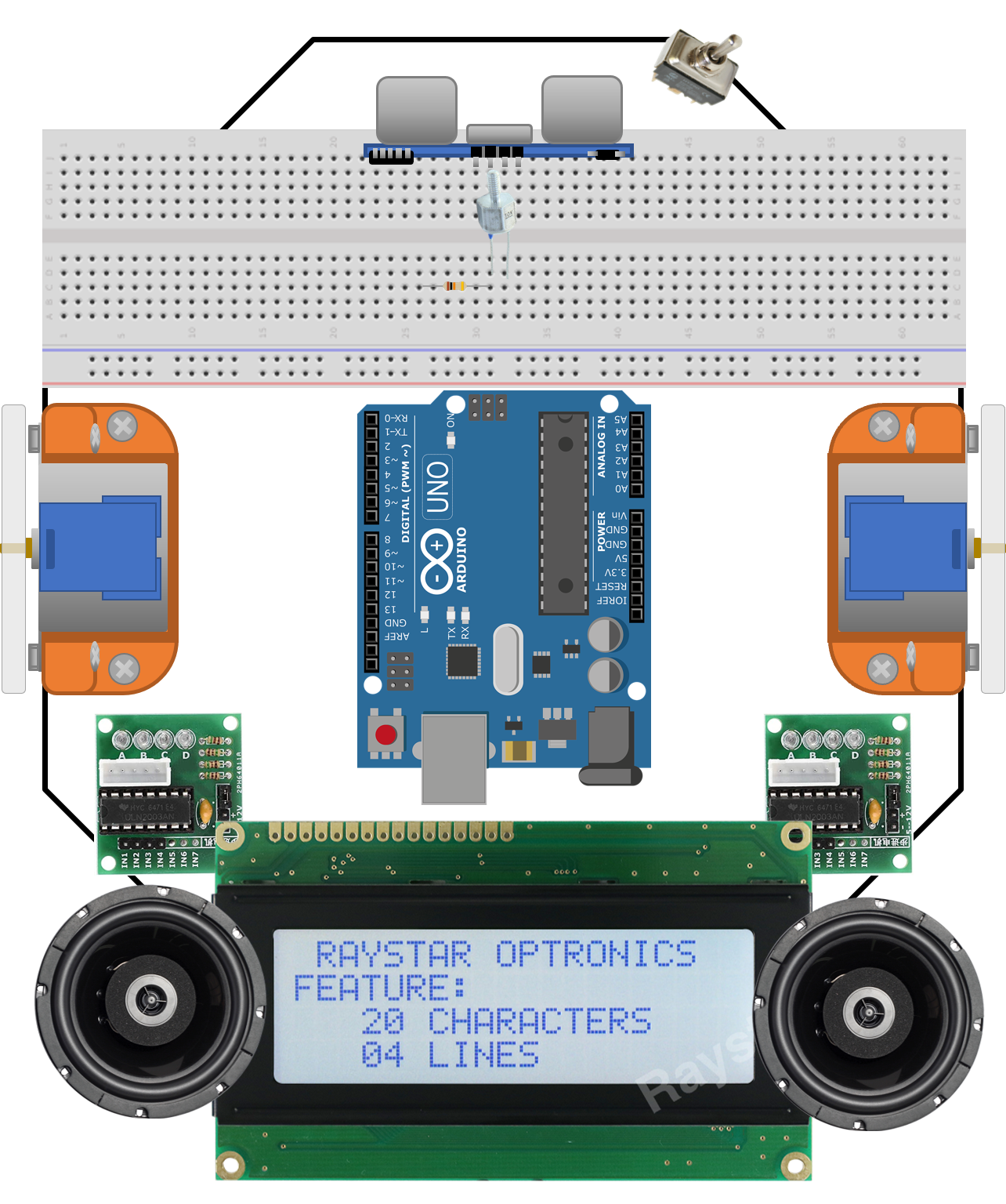 Figure 1: 3D CAD mechanical render showing structural chassis plates, motor gearboxes, and bumper mounting geometry.
Arena Tournament Performance
| Parameter | Specification / Benchmark |
|---|---|
| Tournament Placement | 2nd Place Overall (Podium Finish) |
| Academic Grade | First Class 82% (A+) |
| Microcontroller | Microchip PIC16F Series (Bare-metal Embedded C) |
| Motor Drive Topology | Dual H-Bridge High-Current MOSFET Driver with PWM Throttle |
| Obstacle Detection | Ultrasonic Sonar Transducer (HC-SR04) with Timer Capture |
| Turning Agility | Zero-radius Differential Steering (Independent Left/Right PWM) |
| Tactical Subsystem | 4-Phase Stepper Flipping Actuator + Audio/Visual Status Indicators |
Physical Hardware Construction
The physical build integrated custom laser-cut chassis layers, dual battery rails for digital logic isolation, and heavy-duty wiring harnesses:
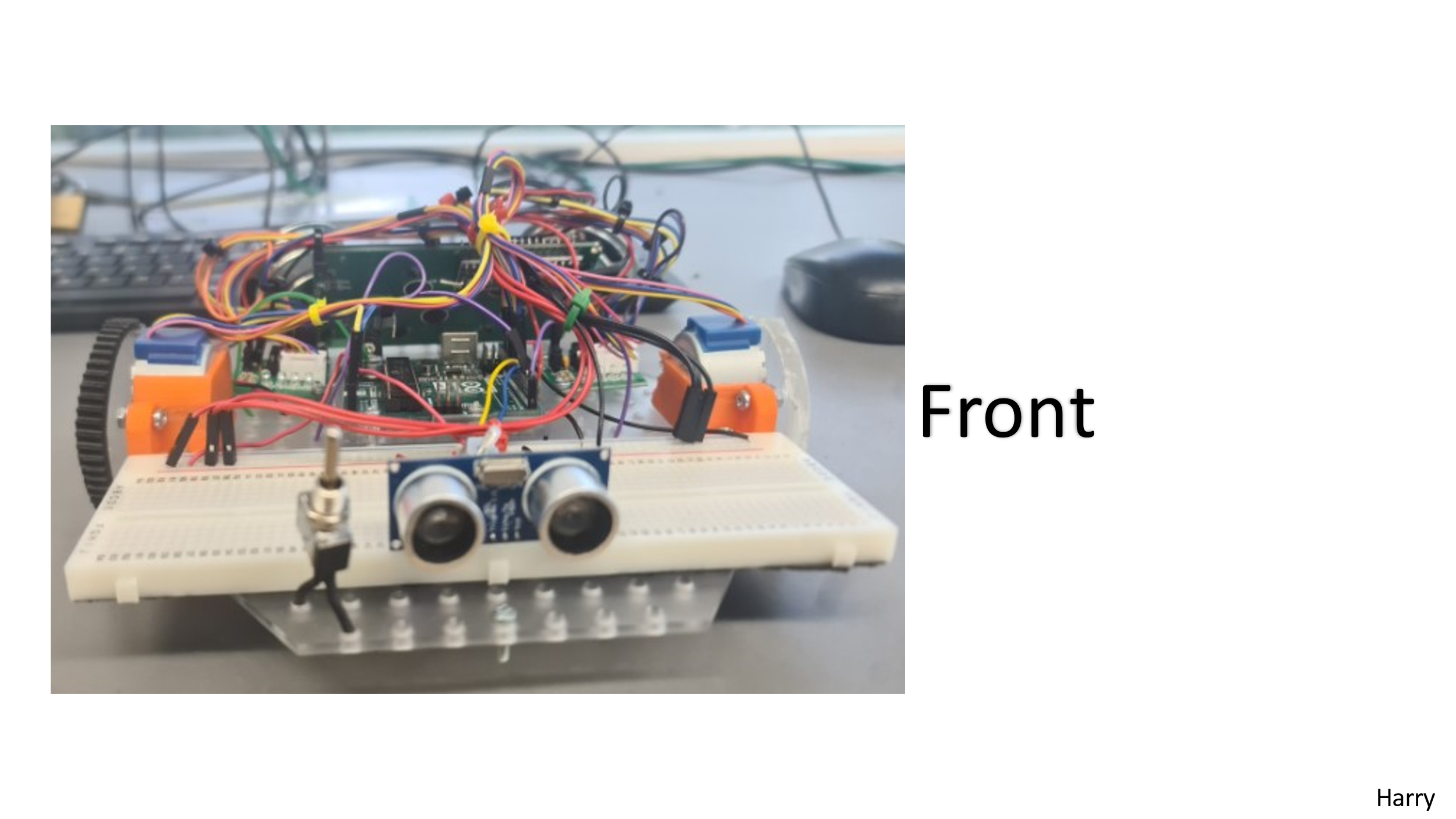
Front view: HC-SR04 ultrasonic sonar eyes and reinforced ramming wedge.
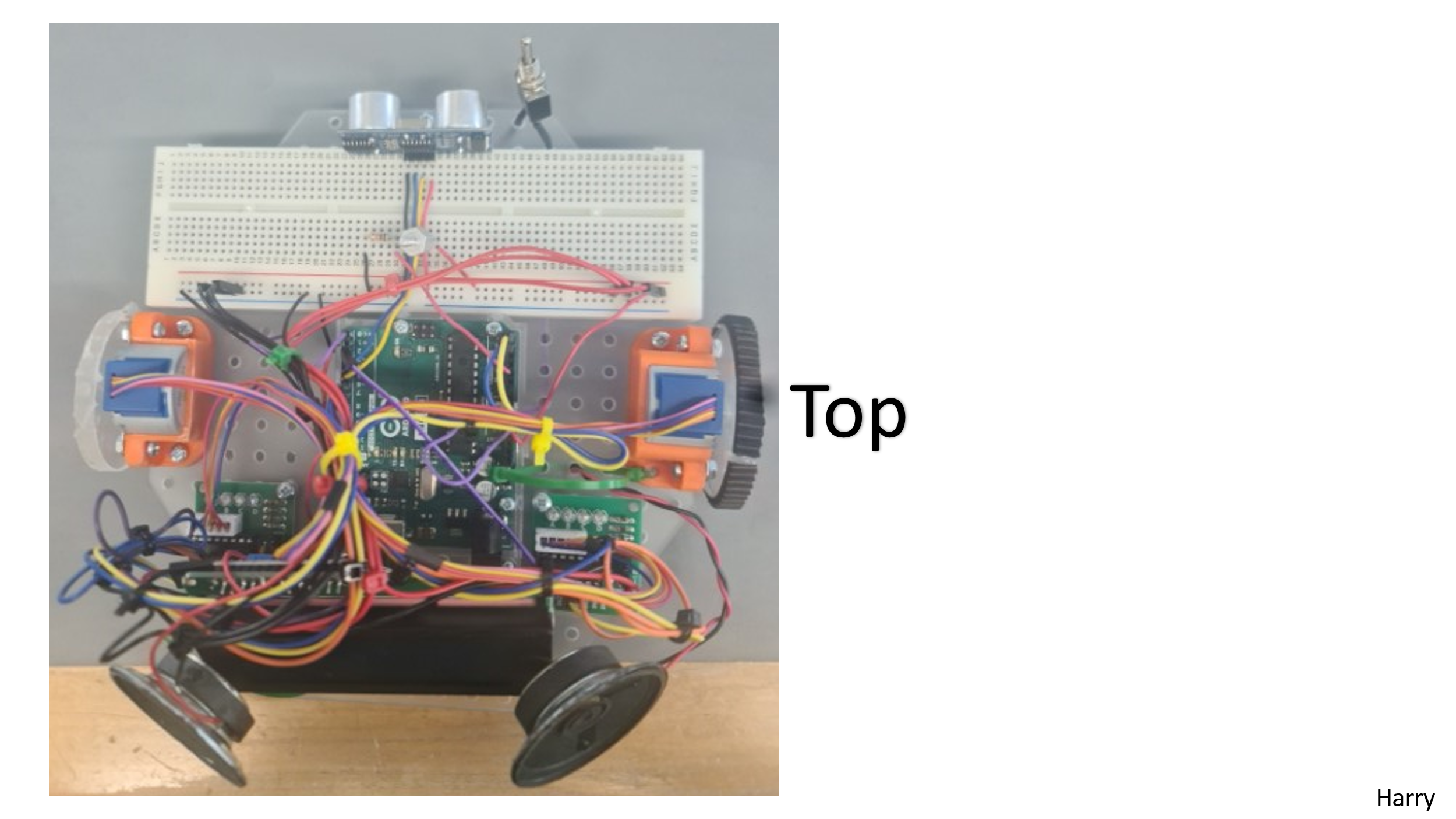
Top view: Dual PIC microcontroller boards, logic rails and stepper driver.
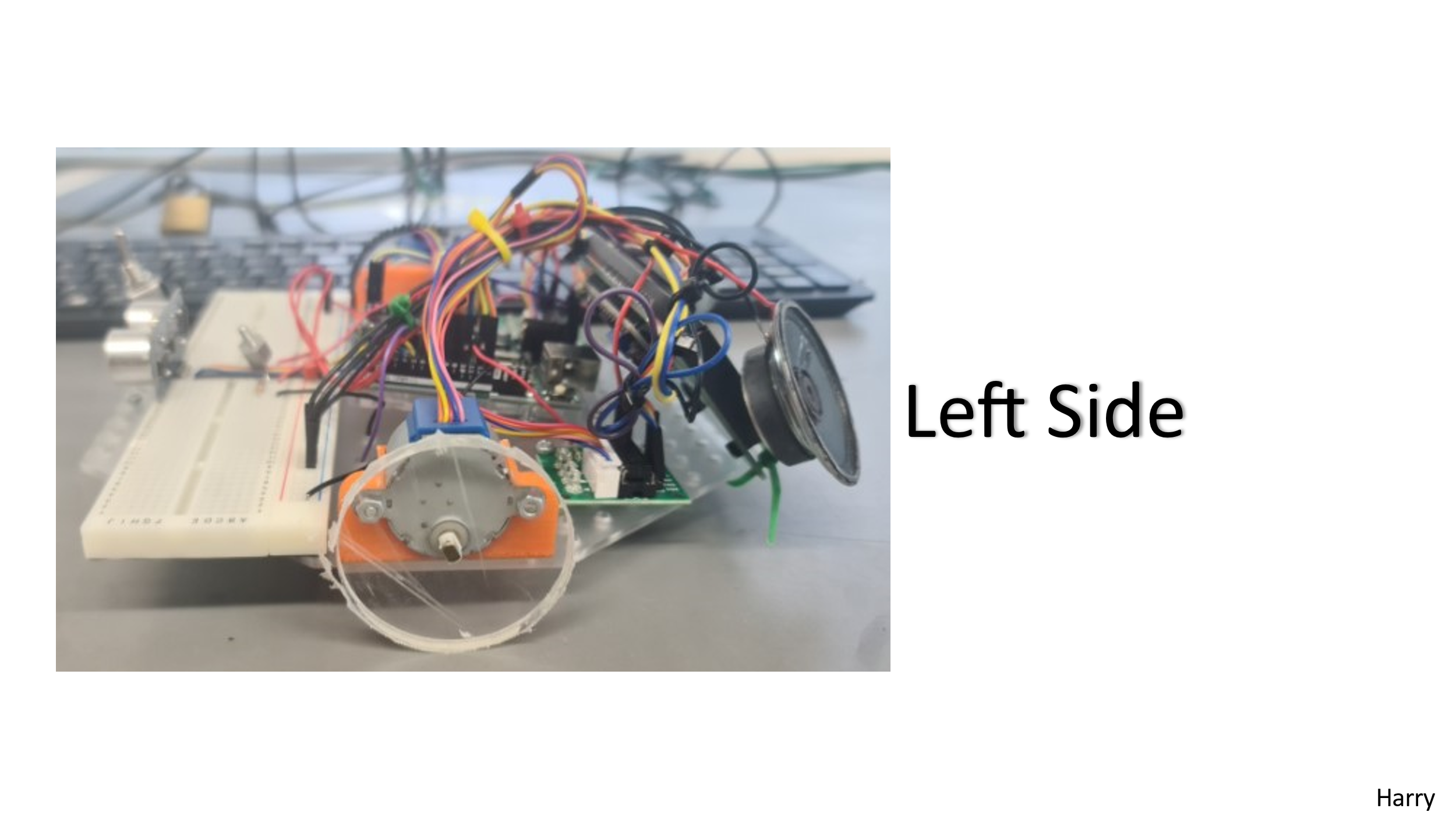
Side profile: Low-slung drive wheels, high-traction tyres and battery bay.
Circuit Schematics & Electrical Architecture
To prevent motor inductive spikes from resetting the microcontroller during rapid forward-to-reverse transitions, the motor power stage was isolated with flyback diodes, decoupling capacitors, and dedicated ground planes.
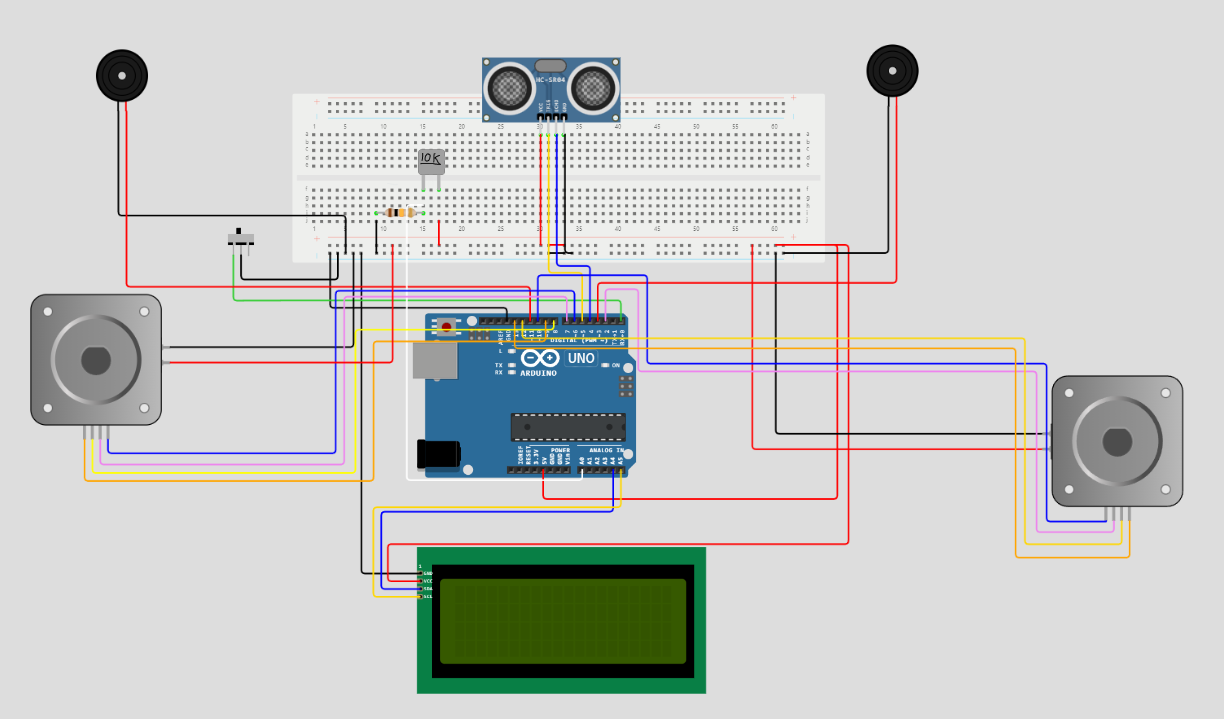 Figure 2: Complete wiring schematic illustrating PIC microcontroller GPIO routing, motor driver H-bridge interfaces, sonar echo capture, and Hitachi HD44780 LCD pinout.
Embedded C Firmware Architecture
The firmware was implemented in bare-metal C using MPLAB XC8, structured as a non-blocking finite state machine (FSM) executing real-time sonar range polling, defensive evasion, and aggressive pursuit.
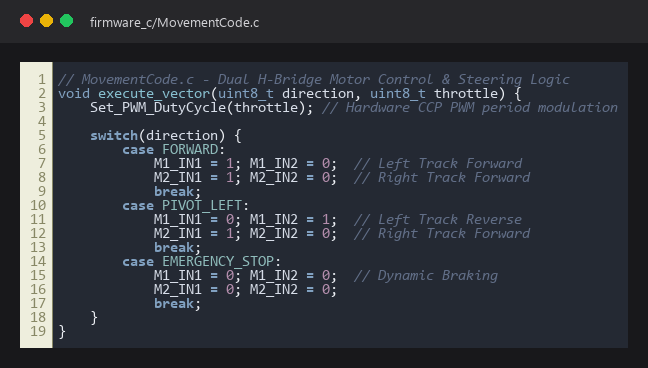 Figure 3: Core Embedded C differential steering driver mapping tactical states (
DRIVE_FORWARD, PIVOT_LEFT, DEFENSIVE_SPIN) to PWM duty cycles and H-bridge direction registers.
Source Code & Academic Attribution
- GitHub Repository: HarryRogers073/robot-wars
- Author & Individual Role: Harry Rogers (Lead Systems & Firmware Engineer)
- Context: University of Brighton Robot Wars Competition (Collegiate Team Project)
- EDA & Simulation: Labcenter Proteus 8 Professional
- Firmware Toolchain: Microchip MPLAB X IDE, XC8 Compiler
- Attribution & Provenance:
- Individual Contributions: Harry Rogers engineered the high-current MOSFET H-bridge motor driver schematic in Proteus (
schematics_proteus/), differential PWM drive routines (MovementCode.c), stepper weapon sequencing (newmain.c), and HC-SR04 sonar timer capture routines (ultrasonic_driver.c). - External Reference Code: The LCD diagnostic module (
lcd.c) was adapted from a tutorial by Khaled Magdy (DeepBlueEmbedded) by team member Kay Hendriksen / team. - Microchip device registers and peripheral headers are copyright Microchip Technology Inc. EDA schematic library components are copyright Labcenter Electronics.
- Individual Contributions: Harry Rogers engineered the high-current MOSFET H-bridge motor driver schematic in Proteus (